
Explore the rich Rabari culture of Jawai, Rajasthan. Learn about the traditions, lifestyle, festivals, handicrafts, camel and sheep herding, and the unique coexistence between the Rabari community and leopards.
Rabari Culture of Jawai – Discover the Heart and Soul of Rajasthan
Jawai is celebrated around the world for its thrilling leopard safaris, dramatic granite hills, and stunning wildlife. However, the true spirit of Jawai lies not only in its landscapes but also in its people. The Rabari community, known for its rich traditions, colorful attire, and deep connection with nature, has lived in this region for centuries.
A visit to Jawai is incomplete without experiencing Rabari culture. Their warm hospitality, traditional lifestyle, and remarkable coexistence with wildlife make Jawai one of the most unique cultural destinations in Rajasthan.
Whether you’re a wildlife enthusiast, photographer, or traveler seeking authentic experiences, discovering the Rabari way of life will add a meaningful dimension to your journey.
Who Are the Rabari People?
The Rabaris are a traditional pastoral community primarily found in Rajasthan and Gujarat. For generations, they have depended on camel, sheep, goat, and cattle herding, moving across different regions in search of grazing land.
In Jawai, many Rabari families continue to preserve their customs while adapting to modern life. Their villages remain deeply connected to nature, and their respect for the land has helped maintain the region’s ecological balance.
A Unique Relationship Between Humans and Leopards
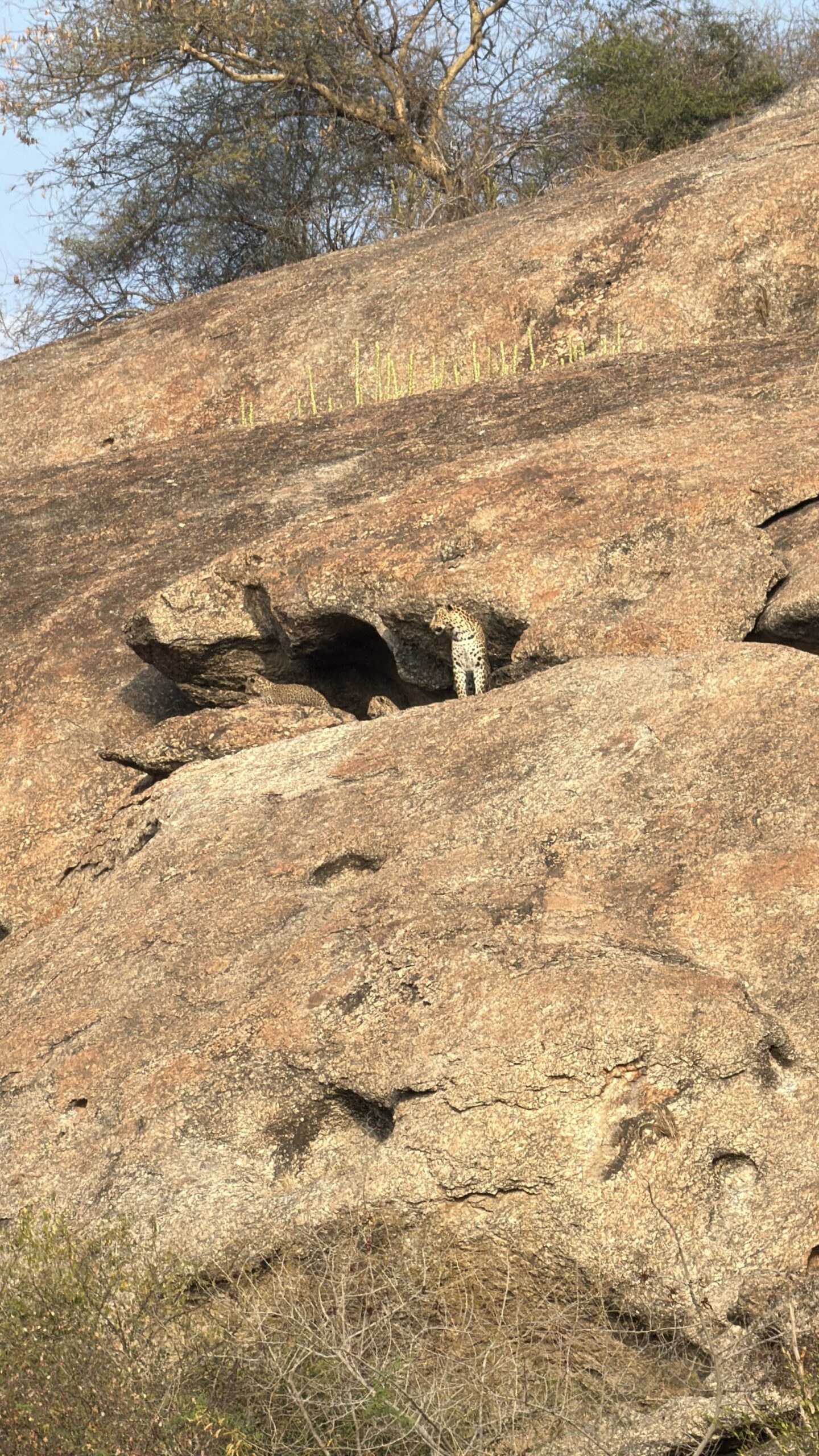
One of the most remarkable aspects of Jawai is the peaceful coexistence between the Rabari community and wild leopards.
Unlike many other places where human-wildlife conflict is common, Rabari families have shared this landscape with leopards for generations. They believe that wildlife is an important part of nature and have learned to live alongside these magnificent animals with mutual respect.
This extraordinary relationship has made Jawai an internationally recognized example of wildlife conservation through community coexistence.
Traditional Rabari Lifestyle
Life in a Rabari village revolves around livestock, family, and community traditions.
Daily activities often include:
- Grazing sheep and goats
- Milking cattle
- Preparing traditional meals
- Weaving and embroidery
- Caring for livestock
- Participating in local markets
- Celebrating cultural festivals
Despite modern influences, many families continue to follow customs that have been passed down through generations.
Traditional Rabari Dress
The Rabari community is instantly recognizable by its vibrant traditional clothing.
Rabari Men
- White cotton dhoti and kurta
- Distinctive white turban
- Traditional leather footwear
- Silver ornaments on special occasions
Rabari Women
Rabari women are admired for their beautifully embroidered clothing.
Their attire often includes:
- Black embroidered dresses
- Colorful odhnis (veils)
- Handmade mirror work
- Heavy silver jewelry
- Traditional bangles and necklaces
These handcrafted garments reflect Rajasthan’s rich artistic heritage and are often made using techniques passed down through generations.
Rabari Embroidery – A Living Art
Rabari embroidery is one of Rajasthan’s most celebrated traditional crafts.
Each piece is handcrafted using colorful threads, mirrors, and intricate patterns inspired by nature and daily life.
Visitors can find beautifully embroidered:
- Bags
- Cushion covers
- Wall hangings
- Shawls
- Garments
- Decorative textiles
Buying authentic handmade products directly from local artisans supports the community and helps preserve this traditional art.
Festivals and Celebrations
Rabari families celebrate many traditional festivals with great enthusiasm.
Popular festivals include:
- Diwali
- Holi
- Gangaur
- Teej
- Navratri
- Local village fairs
Festivals feature traditional music, folk dances, colorful attire, and delicious local cuisine, offering visitors an opportunity to experience Rajasthan’s vibrant culture.
Traditional Rabari Cuisine
Food is an important part of Rabari hospitality.
Visitors may enjoy authentic Rajasthani dishes such as:
- Dal Baati Churma
- Bajra Roti
- Ker Sangri
- Gatte Ki Sabzi
- Rabodi
- Buttermilk
- Fresh village-made sweets
Meals are often prepared using locally sourced ingredients and traditional cooking methods.
Visiting a Rabari Village in Jawai
Many travelers choose to include a guided village visit as part of their Jawai itinerary.
A village tour allows you to:
- Meet local families
- Learn about pastoral traditions
- Watch traditional embroidery
- Experience rural Rajasthan
- Taste local food
- Photograph colorful village life
- Understand the coexistence between humans and wildlife
These experiences provide a deeper appreciation of Jawai beyond its famous leopard safaris.
Rabari Culture and Sustainable Tourism
Responsible tourism plays an important role in protecting Jawai’s cultural heritage.
Visitors can contribute by:
- Respecting local customs
- Asking permission before photographing people
- Purchasing handmade local crafts
- Supporting community-based tourism
- Following guidance from local hosts
Small actions help preserve Rabari traditions for future generations.
Best Time to Experience Rabari Culture
Rabari culture can be experienced throughout the year.
However, the months from October to March offer pleasant weather, making village walks, cultural tours, and outdoor activities more enjoyable.
Festival seasons provide additional opportunities to witness traditional celebrations and folk performances.
Stay with The Jawai Safari
At The Jawai Safari, we believe every visitor should experience both the wildlife and the cultural heritage of Jawai.
Our experiences include:
- Guided Leopard Safaris
- Rabari Village Tours
- Bird Watching Excursions
- Jawai Dam Sightseeing
- Wildlife Photography Tours
- Comfortable Accommodation
- Customized Travel Packages
Our knowledgeable guides help guests understand the fascinating relationship between the Rabari community, wildlife, and the unique landscape of Jawai.
Frequently Asked Questions
Who are the Rabaris?
The Rabaris are a traditional pastoral community known for livestock herding, colorful clothing, intricate embroidery, and a rich cultural heritage found mainly in Rajasthan and Gujarat.
Why is Rabari culture famous in Jawai?
Rabari culture in Jawai is famous for its peaceful coexistence with wild leopards, traditional pastoral lifestyle, vibrant attire, and warm hospitality.
Can tourists visit Rabari villages?
Yes. Many guided tours include visits to Rabari villages, where visitors can experience local traditions, handicrafts, cuisine, and rural life while respecting community customs.
What is Rabari embroidery?
Rabari embroidery is a traditional handicraft featuring colorful threadwork, mirror work, and intricate patterns created by skilled artisans.
Final Thoughts
A journey to Jawai is about much more than spotting a leopard. It is an opportunity to experience a living culture that has flourished in harmony with nature for generations.
The Rabari community’s traditions, craftsmanship, hospitality, and respect for wildlife make Jawai a destination unlike any other in Rajasthan. By combining a leopard safari with a cultural village visit, you’ll gain a richer understanding of the region and create memories that extend far beyond wildlife sightings.
If you’re planning your next adventure, let The Jawai Safari help you discover both the wild beauty of Jawai and the timeless heritage of the Rabari people.